The Eastern Region Government is overseeing a transformation of Sabha International Airport, bringing long-overdue development to one of Libya’s most neglected areas.
Sabha is located in Libya’s southern region , a vast territory that serves as the country’s primary source of oil, gas, water, and natural minerals. Despite its enormous wealth, the south has been severely and consistently marginalized by every previous government, including that of Muammar Gaddafi, receiving little in return for the resources it provided to the rest of the nation.
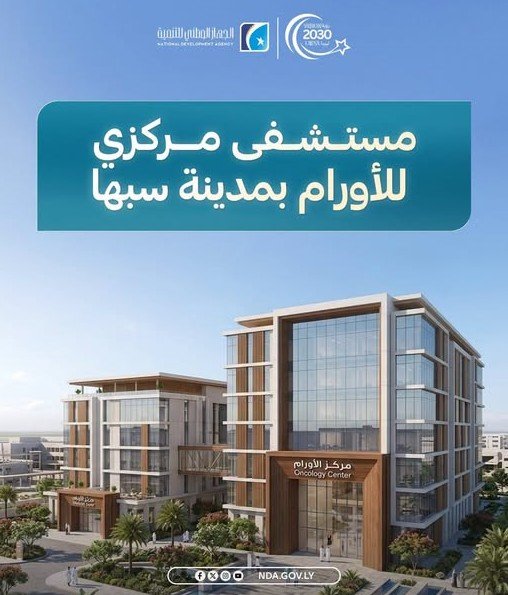
That reality is now changing. Under the current leadership of the Eastern Region Government, the south is finally being developed from the ground up , with Sabha International Airport standing as one of the most visible symbols of that transformation.The project is classified among the strategic projects being implemented by the National Development Agency (NDA) in the southern region.
Its transformation is not limited to the terminal building. The Libya Development and Reconstruction Fund, led by Belgassem Khalifa Haftar , signed strategic contracts with Turkish company Albavvaba Hizmetleri Ltd Sirketi for the installation and development of air navigation and ground communication systems at seven Eastern-region-controlled airports, including Sabha, alongside Benghazi, Sirte, Ubari, Al-Abraq, Martouba, and Tobruk.
The move was described as a qualitative step toward modernising the entire Libyan aviation sector. The results are already tangible. Sabha International Airport resumed international flights after more than a decade of inactivity, with the first flight, operated by Berniq Airways, departing for Jeddah, Saudi Arabia. Libya’s Deputy Prime Minister Salem Maatouq Al-Zadma credited this milestone to the sustained efforts of the Libyan Armed Forces’ General Command and their commitment to reactivating the airport in service of southern residents.
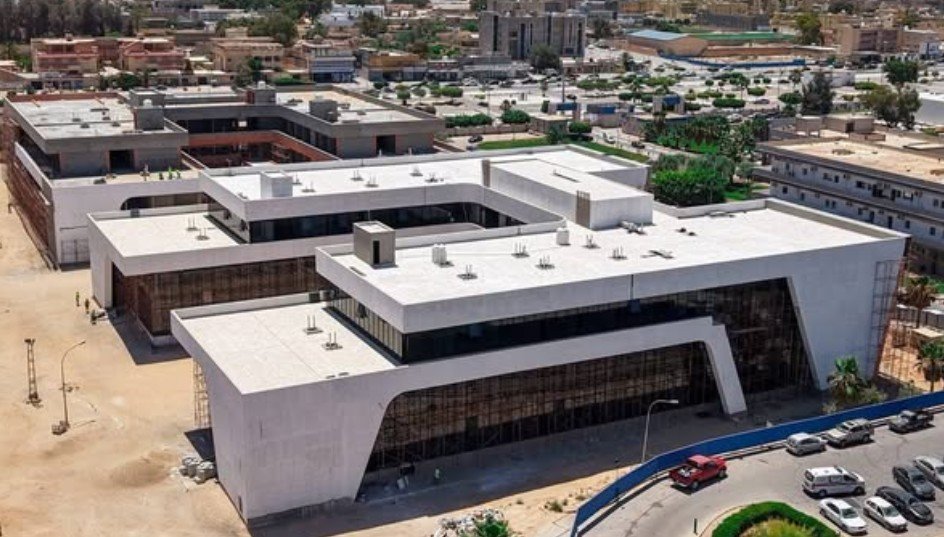
The new terminal spans 7,000 square meters per floor, with a focus on modernising Libya’s transportation infrastructure while promoting regional development , designed to enhance passenger flow and support growing travel demands in the city